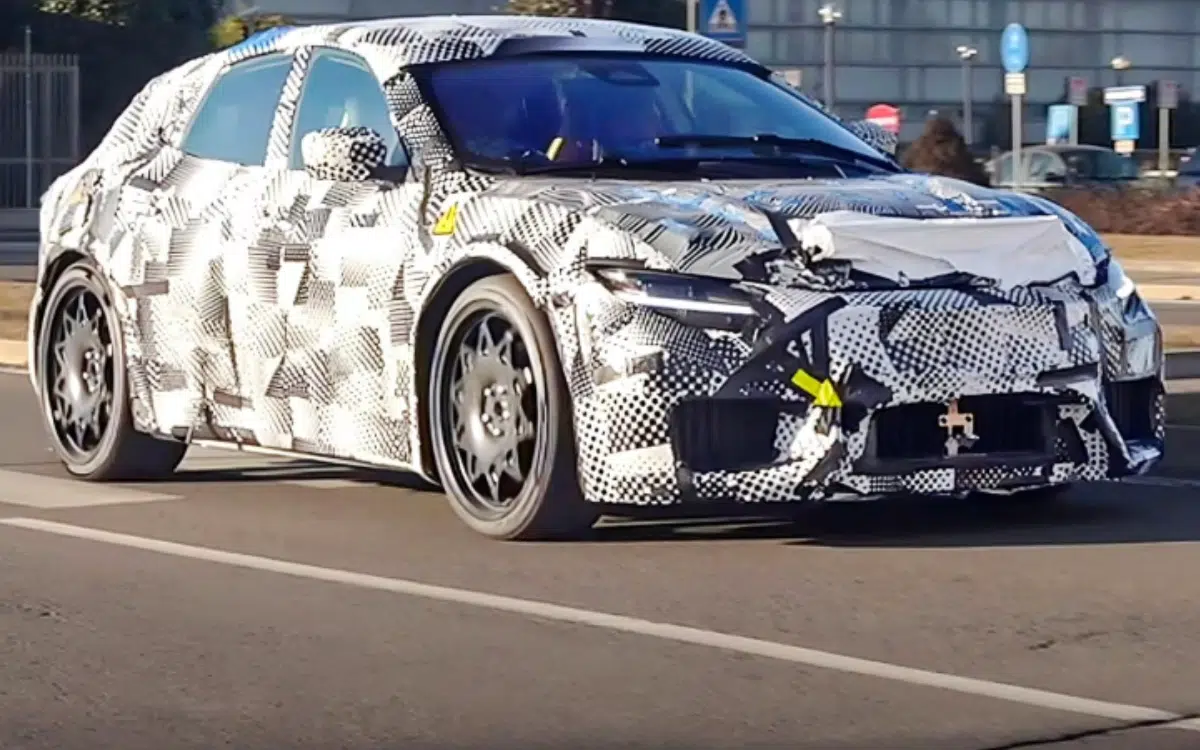
The future of driving: will Supercars survive the autonomous era?
Published on Dec 04, 2025 at 3:13 PM | By Alessandro Renesis
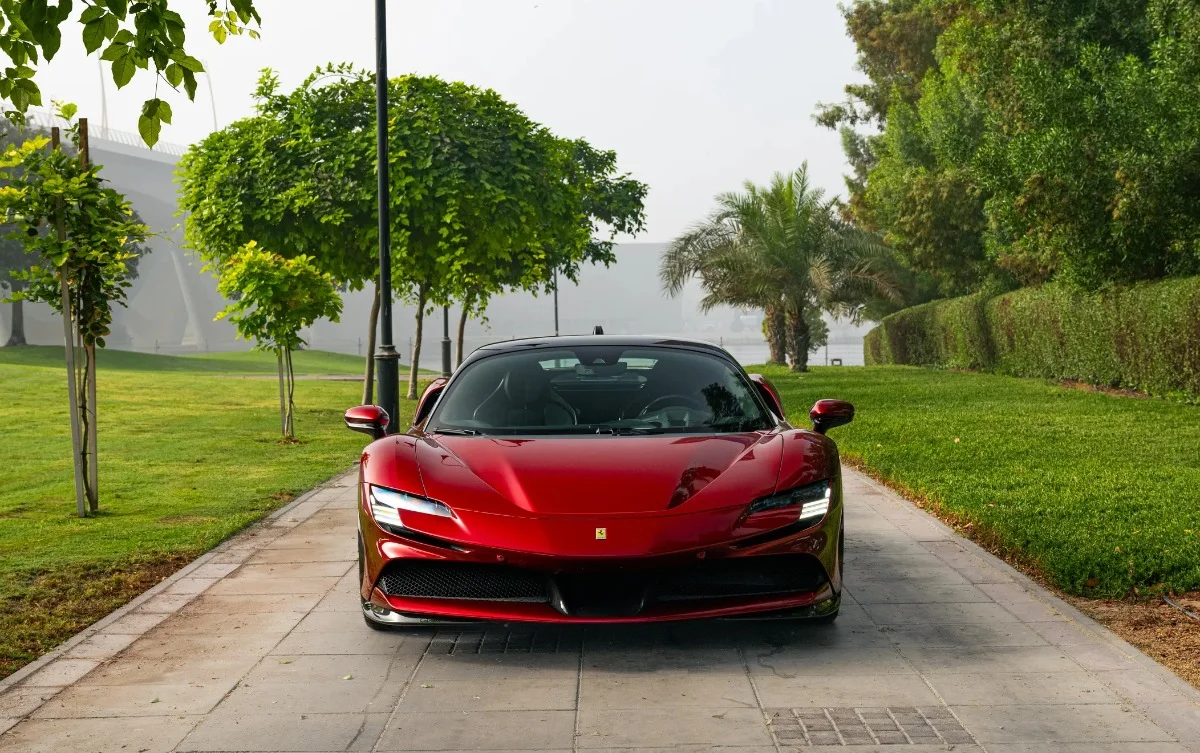
Some people are already dreading a future with no supercars, no V12 beauties and no V8 muscle cars – just self-driving cars.
No engine note, no gearshift, no heartbeat in your throat as you drive around the track at 90MPH or around Casino Square in Monaco at 9MPH.
Some say it’s the future, and it’s a future that’s arriving faster than anyone predicted.
As autonomous technology hurtles forward, supercars face an existential question: when the machine takes the wheel, what becomes of the thrill of holding it?
A new age of automation
Tesla’s Robotaxi fleets are already prowling Austin and San Francisco.
Waymo logs millions of driverless miles each month.
Cities from Singapore to Phoenix are rewriting road laws for vehicles that never get tired, drunk, or distracted.
In dense megacities, personal driving is slowly being framed as an indulgence because some think it’s dangerous, inefficient, and maybe even antisocial.
Against this backdrop, the idea of a two-seat, million-dollar missile built purely for pleasure starts to look like a relic.
But it probably shouldn’t.
Why emotion still matters
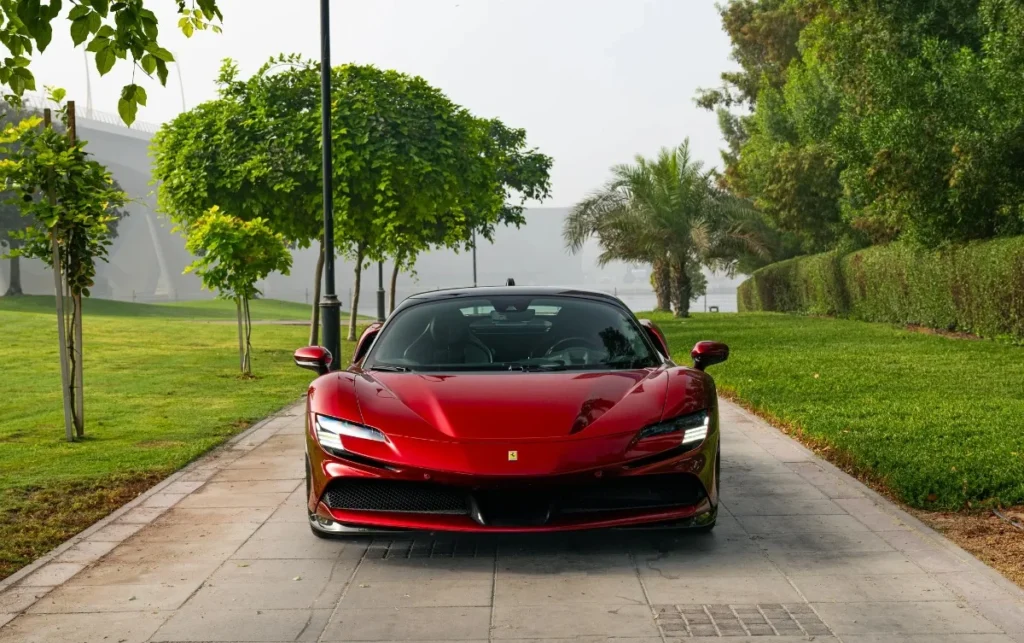
Gordon Murray, the man behind the McLaren F1 and T.50, once said that your car should talk to you.
“If it doesn’t talk, it’s just transport,” he said.
Christian von Koenigsegg puts it even more bluntly:
“We don’t sell mobility. We sell adrenaline,” he once said.
Collectors will tell you the same.
A Pagani Huayra isn’t valued at $3 million because it’s the fastest way from A to B.
It’s valued because of its carbon-titanium body and its AMG-derived V12 create a feeling that algorithms can’t replicate.
The electric evolution – performance without gasoline
The purists wept when Ferrari announced its first electric supercar is coming in 2025.
They’ll weep harder when it outperforms every combustion LaFerrari ever built, which it will.
Rimac already showed the blueprint: the Nevera delivers 1,914 horsepower and 2,360Nm instantly, silently, mercilessly.
Zero to 60 in 1.85 seconds feels like being fired out of a railgun.
McLaren’s upcoming hybrid replacements for the 750S promise similar figures.
The good news is the best marques aren’t abandoning emotion; they’re rewriting it in electrons.
Autonomous tech meets the supercar – friend or foe?
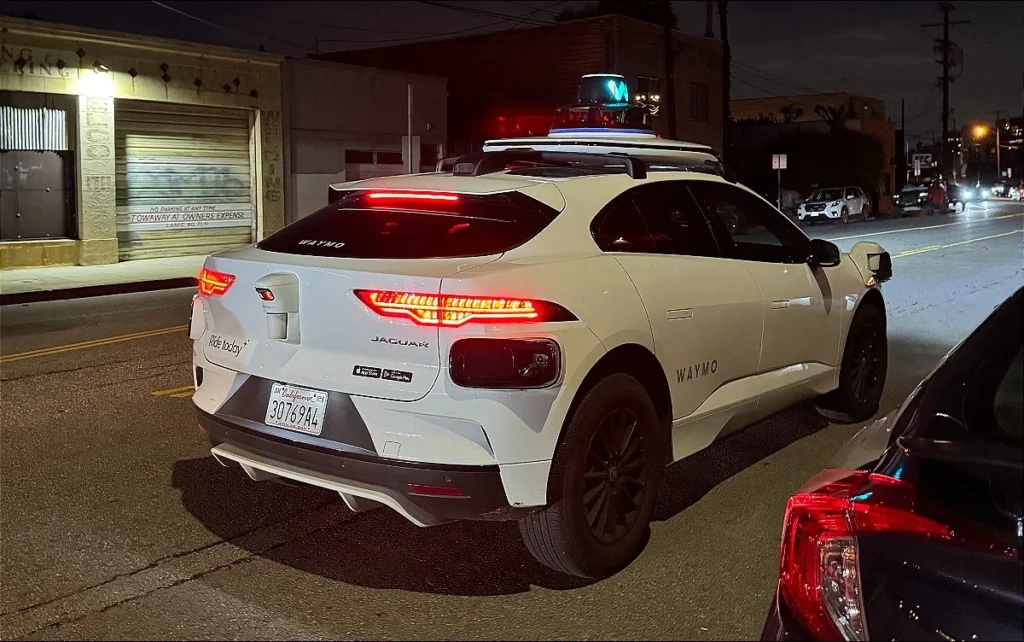
The same sensors, radars, and neural networks that power robotaxis are already infiltrating supercars.
Porsche’s InnoDrive predicts corners.
Ferrari’s Side Slip Control is practically a co-driver that lets mortals drift like Vettel.
McLaren’s telemetry suite can overlay the perfect racing line on a windshield faster than any human instructor.
The question is where we draw the line, because ideally we wouldn’t want to add race track lanes reserved for AI-perfected laps.
The cultural future – driving as a privilege
Maybe a few decades from now steering wheels will have gone the way of cassette tapes.
Or maybe not.
Maybe driving will become a privilege, something you do on Sunday while you let your robotaxi drive you from A to B every other day of the week.
Maybe analog driving will be the ultimate luxury – like riding a horse when everyone else teleports.
Manual gearboxes will be what tourbillons are to smartwatches.
Tracks like Ascari will become cathedrals of combustion.
Owning a car with three pedals and no electronic nanny might require a special license, the same way flying a vintage Spitfire does today.
Supercars won’t disappear.
They’ll just evolve as autonomy solves congestion and frees billions of hours lost to traffic.
When it comes to supercars, transport was never the point.
If you’re not ready to let go of the wheel just yet, explore the current crop of mechanical masterpieces at SBX Supercar Auctions.
Those are definitely still drivable.