Rolls-Royce and the art of silence: engineering the quietest car ever made
Published on Mar 13, 2026 at 9:58 AM | By Alessandro Renesis
Car fans aren’t really on board with quiet cars in general, but it’s fair to say that Rolls-Royce is the exception.
Historically, engine noise is and always has been a key selling point for people who love fast cars, and also luxury cars.
But Rolls-Royce is the exception.
With a Rolls-Royce, you expect it to be quiet, even if it has a V12 under the hood.
And this is strategy, not chance.
Silence as a signature – the philosophy behind the sound
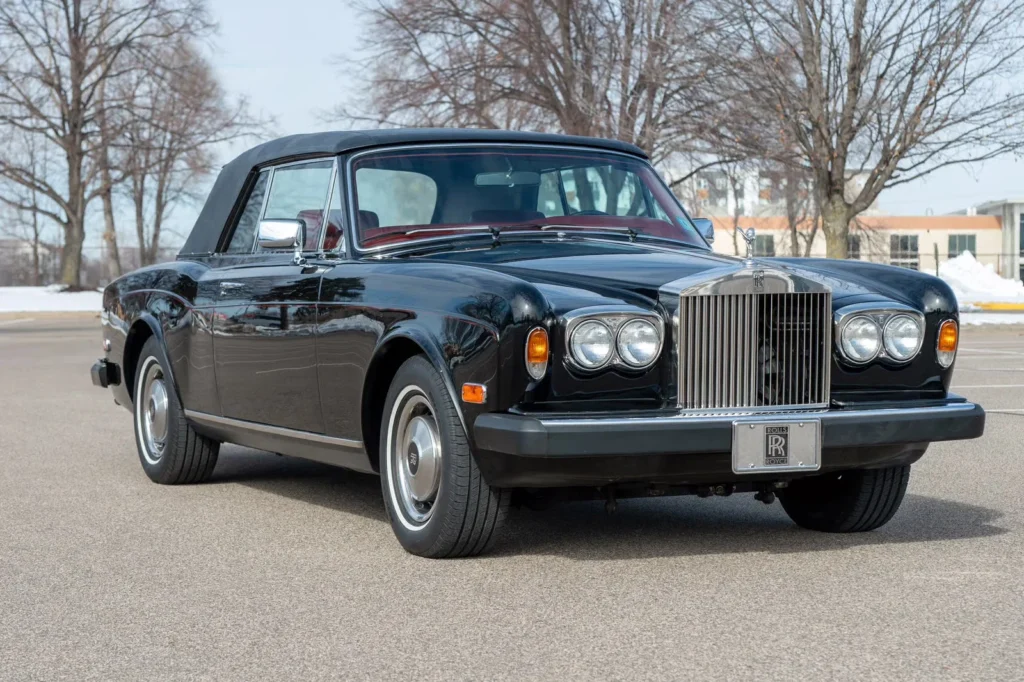
Since its inception, the Rolls-Royce name has been synonymous with a ghostly presence.
That’s actually the reason why nearly all Rolls-Royce are named after variants of the words ‘ghost.’
Ghost, Silver Ghost, Phantom, Wraith, Spectre, and so on.
In 1907, the Silver Ghost earned its moniker precisely because it was so quiet and smooth.
The car’s quiet ride famously allowed a silver penny to remain balanced on its edge while the engine idled.
At a time when motor cars were particularly mechanically ‘violent’ and loud – with clattering machines and clunks and thuds and bangs every time you turned on the engine – Sir Henry Royce sought a different path.
He viewed mechanical noise as a flaw in character.
Today, that philosophy has evolved into a foundational design principle.
Silence is part of the car’s DNA.
To sit in a Rolls-Royce is to experience ‘effortless motion,’ and that’s by design.
How Rolls-Royce engineers silence
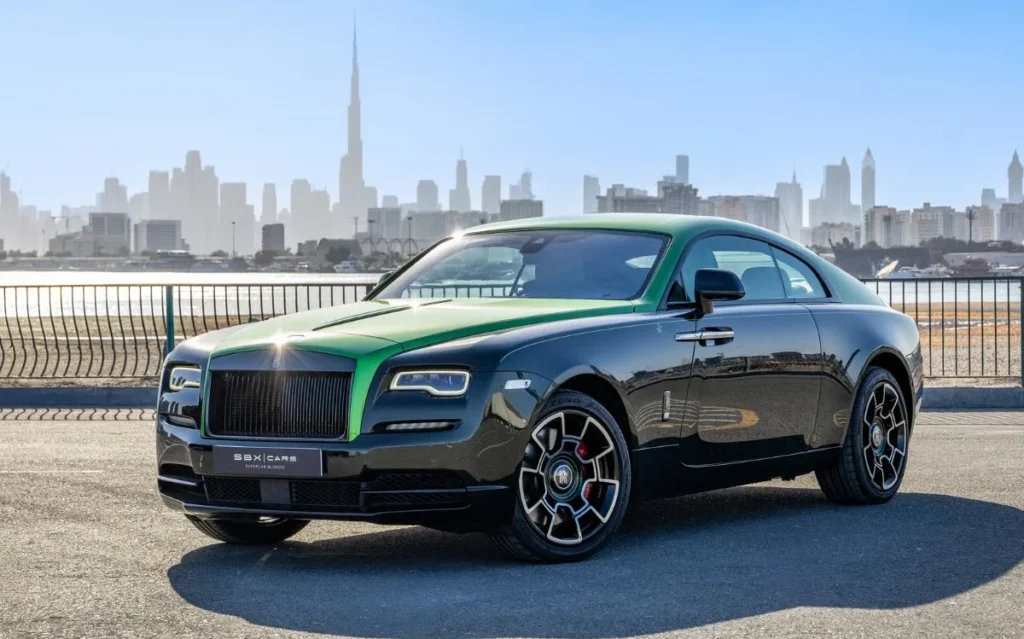
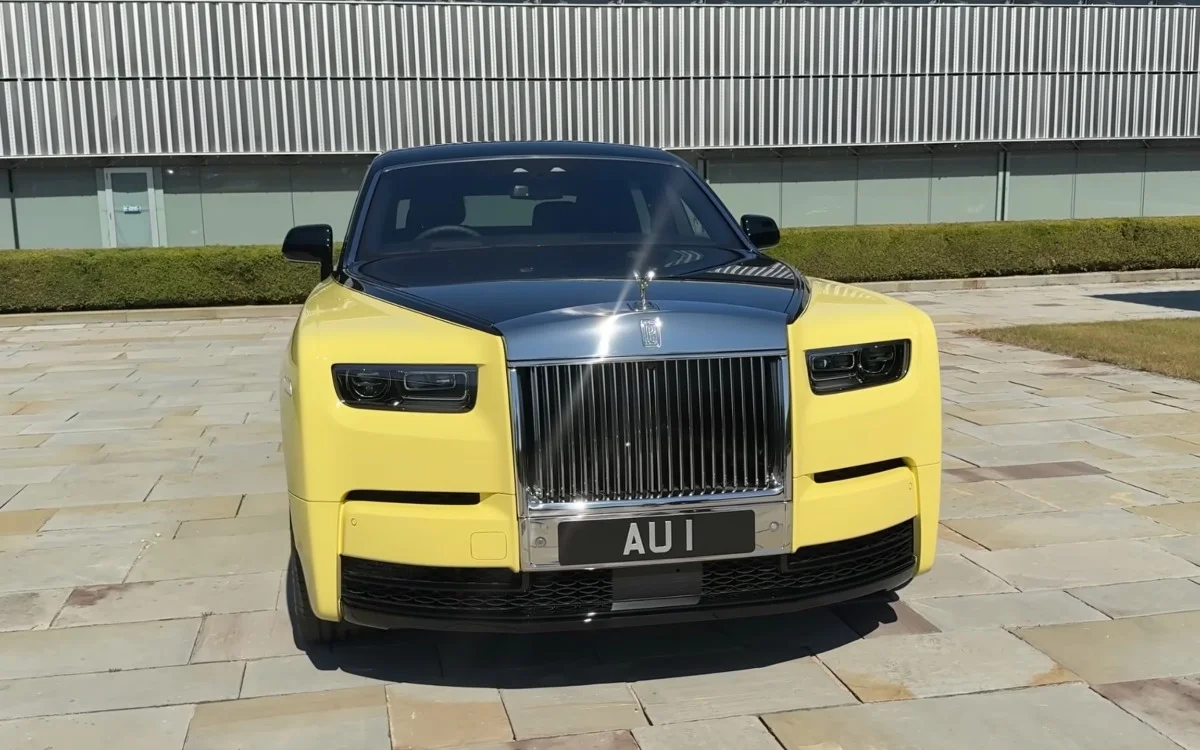
The journey to creating the quietest car in the world – the Phantom VIII – was an obsessive pursuit of acoustic perfection.
Unlike mass-market luxury vehicles built on steel platforms, Rolls-Royce uses a proprietary all-aluminum spaceframe.
After that, Rolls-Royce also created a a double-skinned alloy structure to separate the engine from the cabin, and made each window very thick (6mm) with two layers of glass with an additional sound-dampening transparent film in the middle.
The icing on the cake is a specific tire that Rolls-Royce developed with Pirelli.
There’s a myth about the development of Phantom VIII that sounds like it might be true: the acoustic levels were so low that testing engineers reportedly paused to check if their instruments were calibrated correctly.
Electric Evolution – the Spectre and a new era of sound
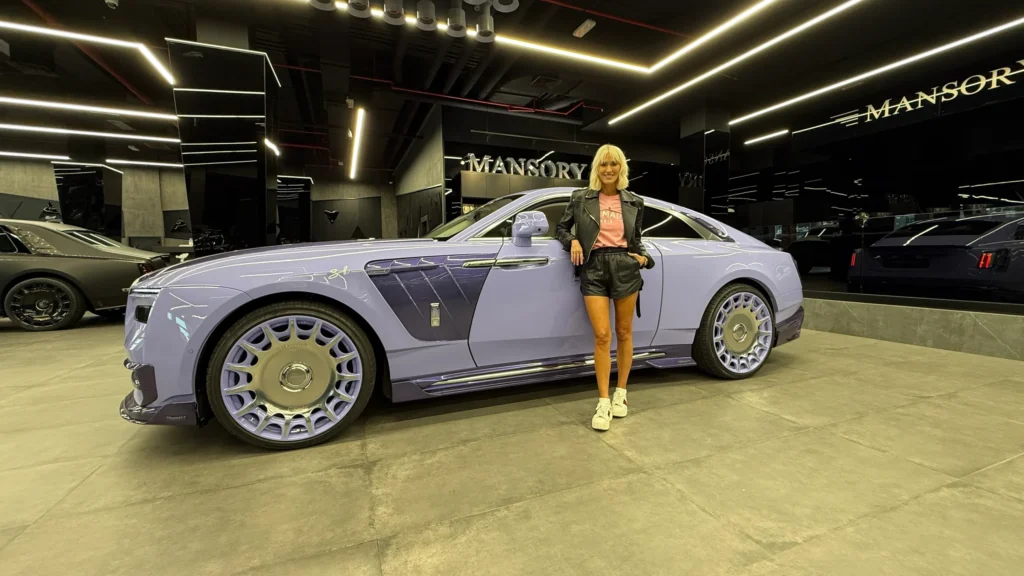
The arrival of the Spectre, the first fully electric Rolls-Royce, presented a unique paradox.
Without the V12 engine, other noises threatened to become more prominent.
This means that engineers had to figure out how to further minimize sounds from rolling tires, wind noise, and so on.
They started by integrating the battery into the car’s spaceframe, which created the smoothest under-body in automotive history, allowing air to slip past in total silence.
But because an electric motor is naturally hushed, the Spectre requires a ‘sound texture’ to provide a sense of scale and speed.
This means that, at the same time, Rolls-Royce engineers also needed to create an artificial sound to evoke the feeling of ‘wafting’ on a cushion of air.
The goal is to make silence feel present and turning these cars into a ‘magic carpet ride.’
Well, they nailed it.
Head to SBX Cars to find out more about current upcoming Rolls-Royce auctions