What defines a hypercar? The 2026 expert explainer
Published on Mar 26, 2026 at 8:29 AM | By Alessandro Renesis
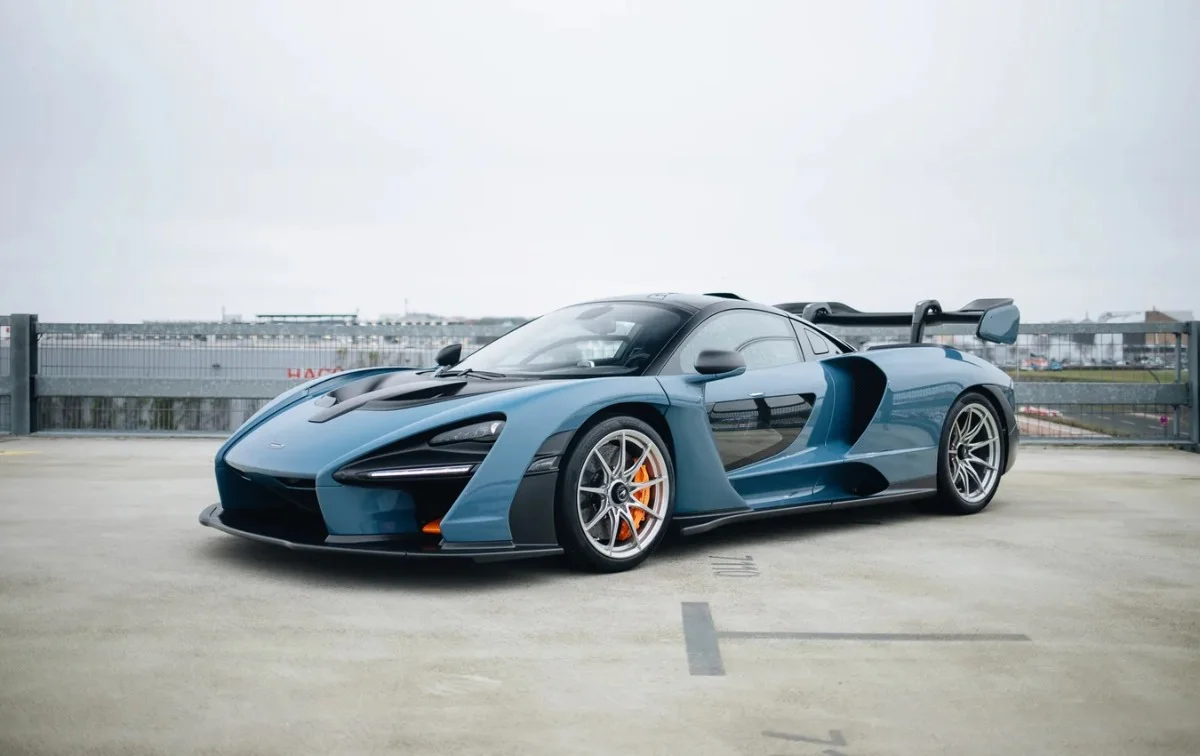
How exactly do you define a hypercar?
That’s a question everyone’s been asking for years, and it goes beyond a spreadsheet featuring downforce, torque, and power figures.
The supercar used to be the undisputed apex predator and defined one percent, but it has now become the new baseline.
Now, the hypercar is the one percent of the one percent.
In 2026, that legacy has evolved into monsters such as the Ferrari F80, Rimac Nevera, and McLaren W1.
These are faster supercars, but they’re also something else.
The performance rubicon – 1,000 horsepower is the new baseline
The power gap is no longer debatable.
A 2026 supercar, like the Lamborghini Temerario at 907 horsepower or the McLaren 750S at approximately 740 horsepower, operates in the 700–900 horsepower corridor – and either way, certainly below 1,000 horsepower.
By contrast, a hypercar lives above 1,000 hp.
The Rimac Nevera deploys 1,914hp from four electric motors, and its R variant escalates to 2,107hp.
The Ferrari F80’s hybrid V6 produces 1,184hp.
The McLaren W1’s new V8 hybrid yields 1,258hp.
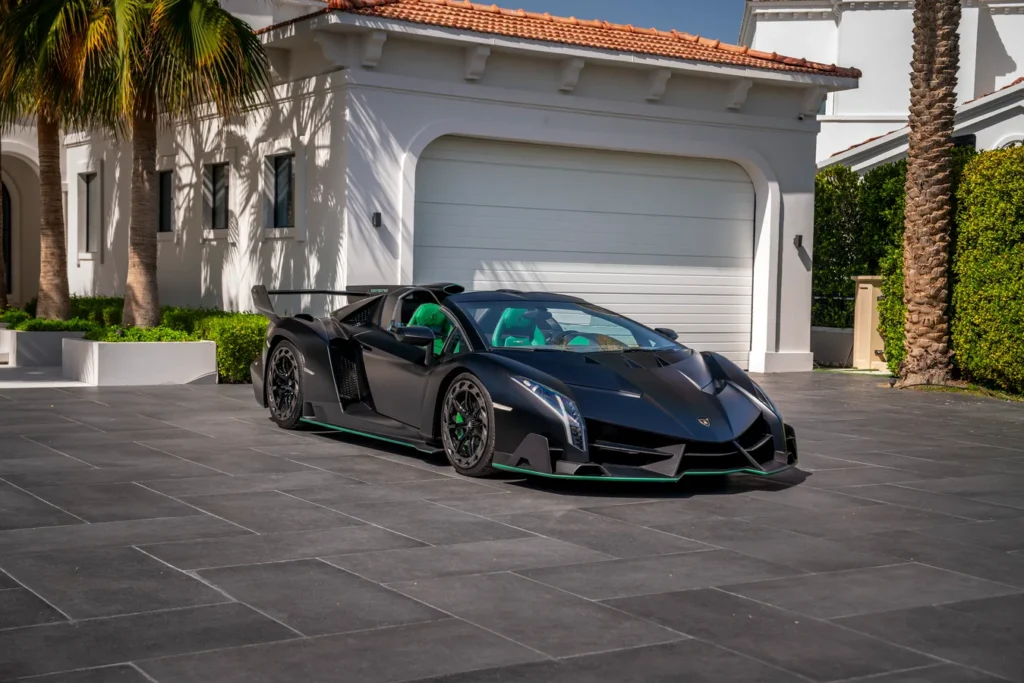
Speed also matters.
True hypercars inhabit the 400km/h club.
The Nevera has been independently verified beyond 412km/h.
The F80 would probably get close to that, were it not for the electronic limiter.
Scarcity as a specification
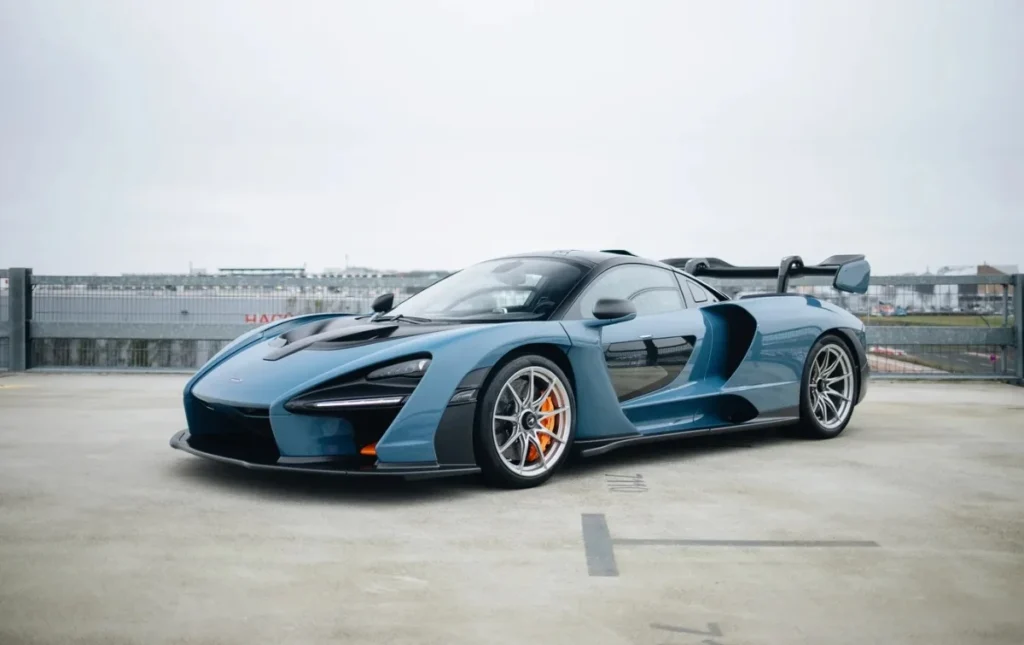
Production volume is more than just marketing.
Supercars such as the Lamborghini Temerario or McLaren 750S are produced in the thousands over their lifecycle.
True hypercars are measured in double- or triple-digit runs.
The Rimac Nevera is capped at 150, while the McLaren W1 is limited to 399 units.
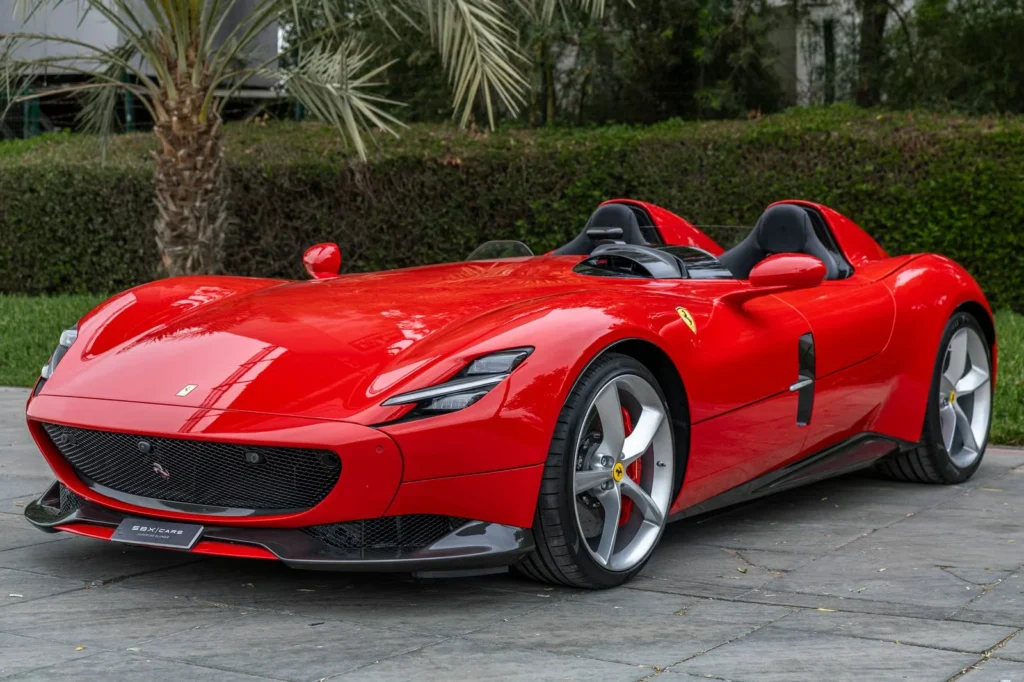
Even the comparatively ‘volume’ Ferrari F80 is restricted to 799 examples, or the Ferrari Monza SP, limited to 499 units.
These figures are engineered to provide scarcity as added value.
The allocation process itself is often invitation-only, and most of these cars are sold out before public announcement.
Engineering without a budget
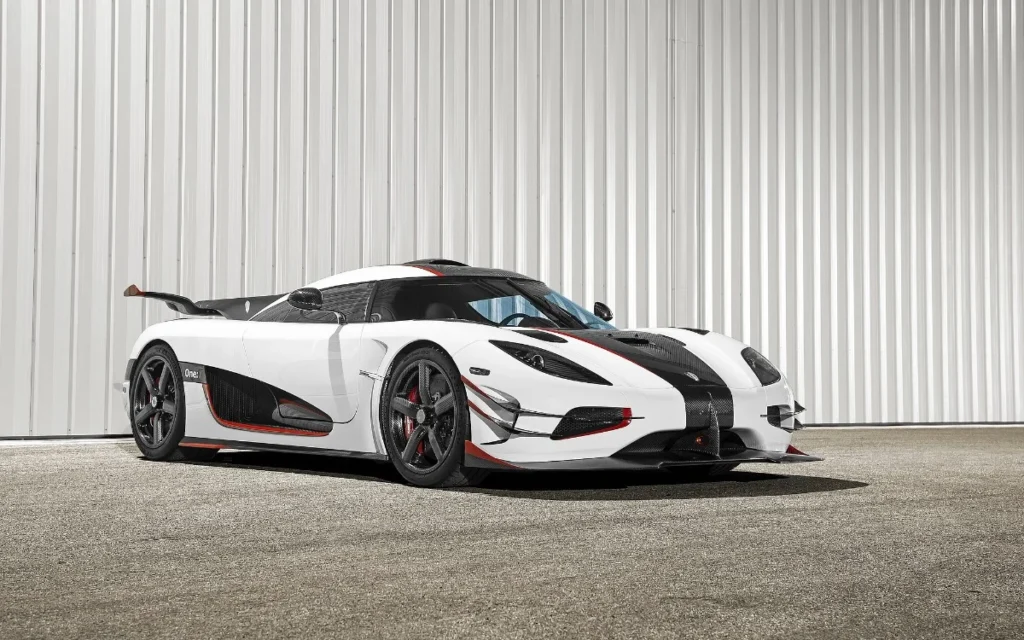
Hypercars operate beyond cost constraints.
Carbon fiber, aerospace-grade 3D-printed titanium components, liquid-metal alloys, and Koenigsegg’s signature ‘diamond weave’ carbon finishes – you name it.
These machines also serve as rolling laboratories.
Active suspension systems, torque-vectoring algorithms, and hybrid energy management pioneered here will trickle down to supercars within five years.
The F80’s Le Mans-derived V6 architecture, the Nevera’s four-motor torque vectoring, and the W1’s radical inboard suspension are paving the way for a new generation of high-performance hypercars.
Why hypercars are alternative assets
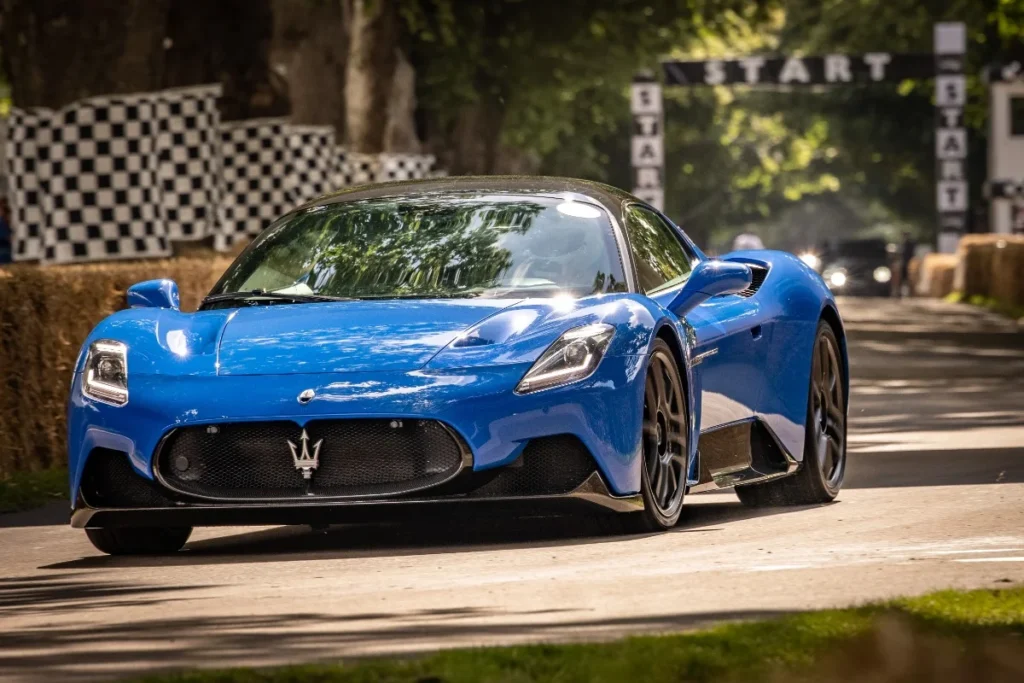
In an era of volatile traditional markets, hypercars have proven themselves as genuine alternative assets.
Recent 2025–2026 auction data is unequivocal.
A one-of-one 2025 Tailor Made Ferrari Daytona SP3 commanded a record $26 million at auction, and then we’ve got the 2003 Ferrari Enzo that sold for $17.875 million.
The ‘analog’ premium is accelerating.
As electrification advances, the last great internal combustion hypercars – Pagani Zondas and Gordon Murray T.50s, for example – are increasingly viewed as the Picassos of the automotive world.
Mainly because they are finite, but the world they come from is also ending.
As a result, automakers are throwing everything but the kitchen sink at these projects.
The question is no longer what the market wants, the new question is: ‘What is the absolute limit of what we can build?’
Head to SBX Cars to find out more about current and upcoming hypercar auctions