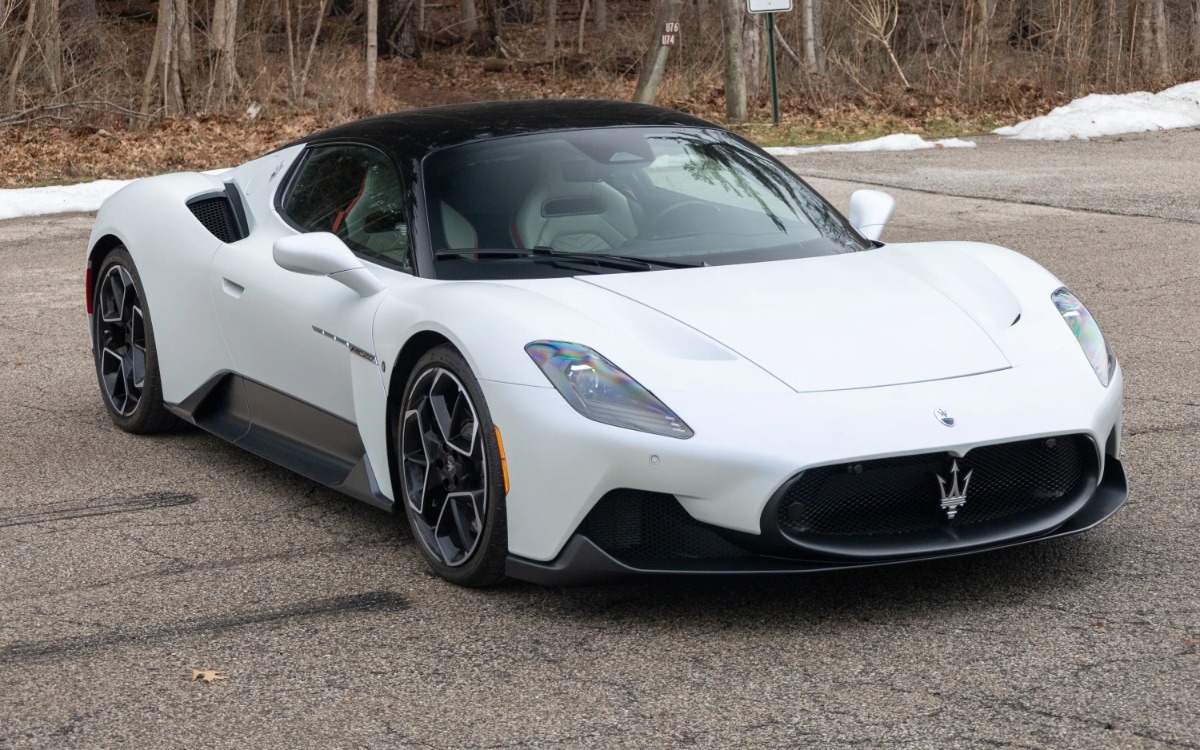
Maserati’s modern renaissance: how the MC20 Is redefining Italian performance
Published on Nov 04, 2025 at 8:29 AM | By Alessandro Renesis
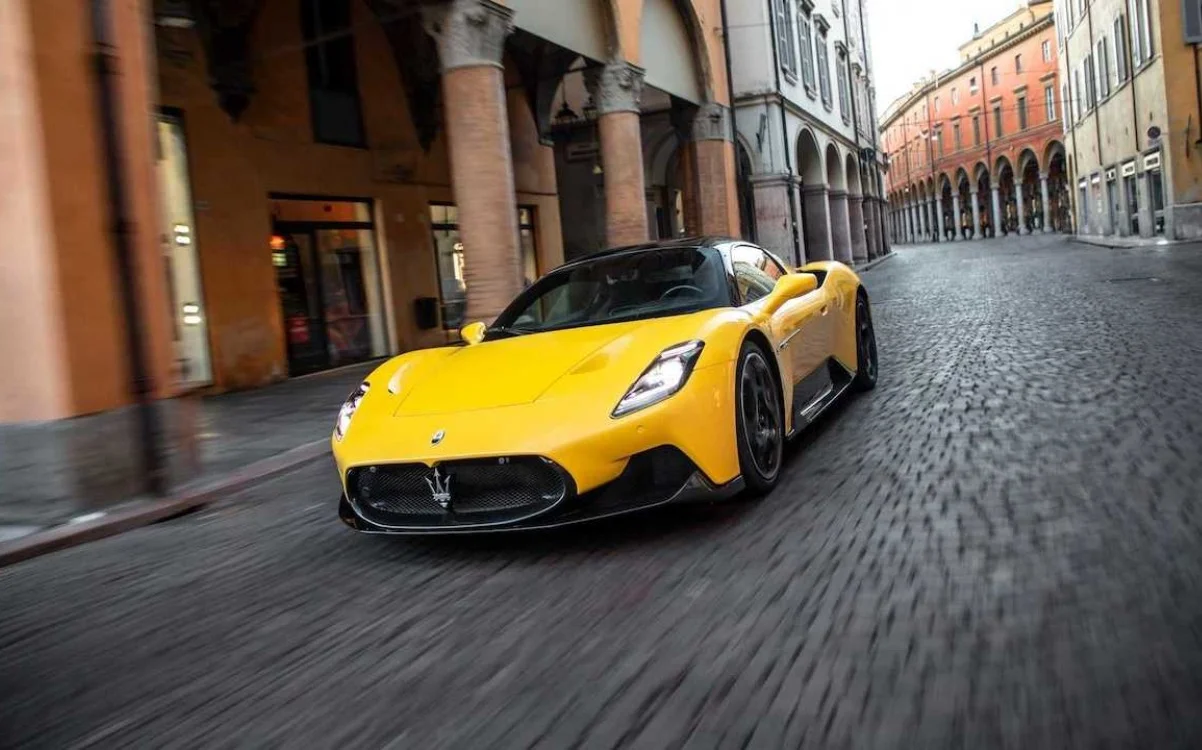
The Maserati MC20 represents the Italian automaker’s attempt to claim back some of its former glory.
The brand had been struggling for years when it unveiled the MC20, which, in a way, is proving to be Maserati’s rebirth.
The return of the Trident — Maserati’s need for reinvention
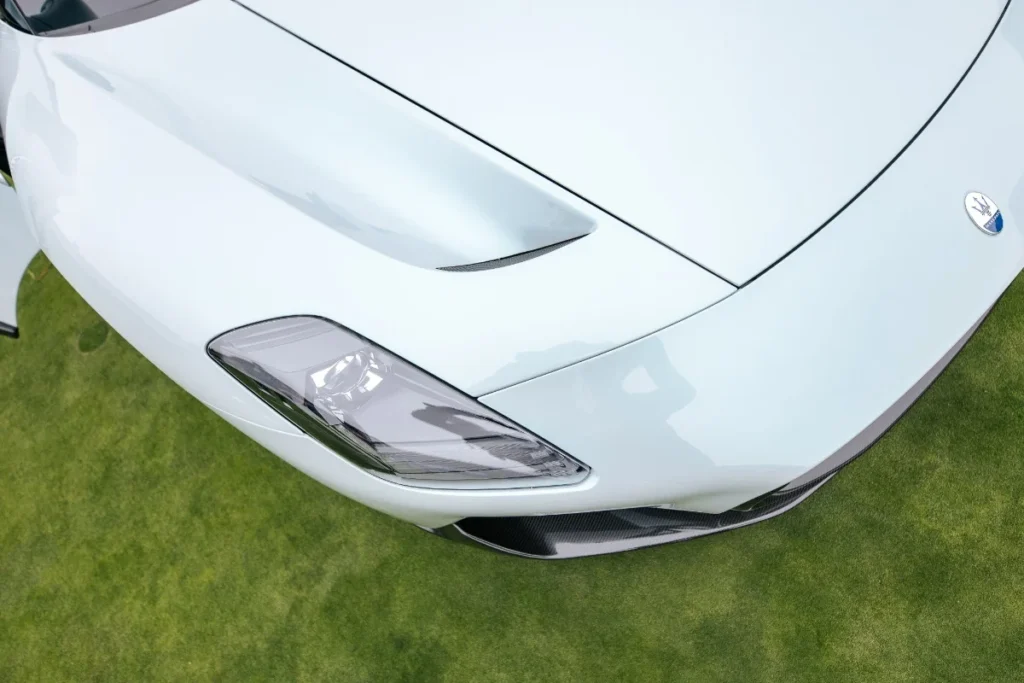
Maserati’s story is one of triumphs and tribulations.
Founded in 1914 by the Maserati brothers in Bologna, the brand etched its name in racing history with icons like the 250F, which Juan Manuel Fangio piloted to Formula 1 glory in the 1950s.
Post-war, road cars like the Ghibli and Bora combined grand touring luxury with supercar speed.
But the late 20th and early 21st centuries brought challenges: acquisitions by Fiat (and later FCA), shared platforms with lesser siblings, and a supercar void after the MC12’s 2004-2005 limited run.
By the 2010s, the brand had lost ground in the hyper-exclusive supercar arena.
Ferrari dominated with mid-engine purity, Lamborghini with theatrical excess, and newcomers like McLaren also joined the party.
Maserati’s lineup leaned toward sedans and SUVs, which weren’t really cutting the mustard.
The MC20, unveiled in 2020, was Maserati’s redemption arc.
No more borrowed Ferrari V8s: the MC20 uses an engine built entirely by Maserati.
Engineering brilliance – inside Maserati’s Nettuno engine
Maserati loved its new engine so much it gave it a name: Nettuno.
Italian for Neptune, this is also a tribute (like the Trident) to the statue of Neptune in Bologna’s main piazza.
Nettuno is 3.0-liter twin-turbo V6 that produces 621 horsepower and 538LB-FT of torque.
It’s not just about sheer displacement but revolutionary tech borrowed from Formula 1.
The pre-chamber ignition system – a passive chamber that enhances combustion efficiency – was adapted from F1’s extreme demands, where Maserati hasn’t raced since the MC12 era.
The manufacturer developed Nettuno entirely in-house at its Modena engine lab, a first in decades.
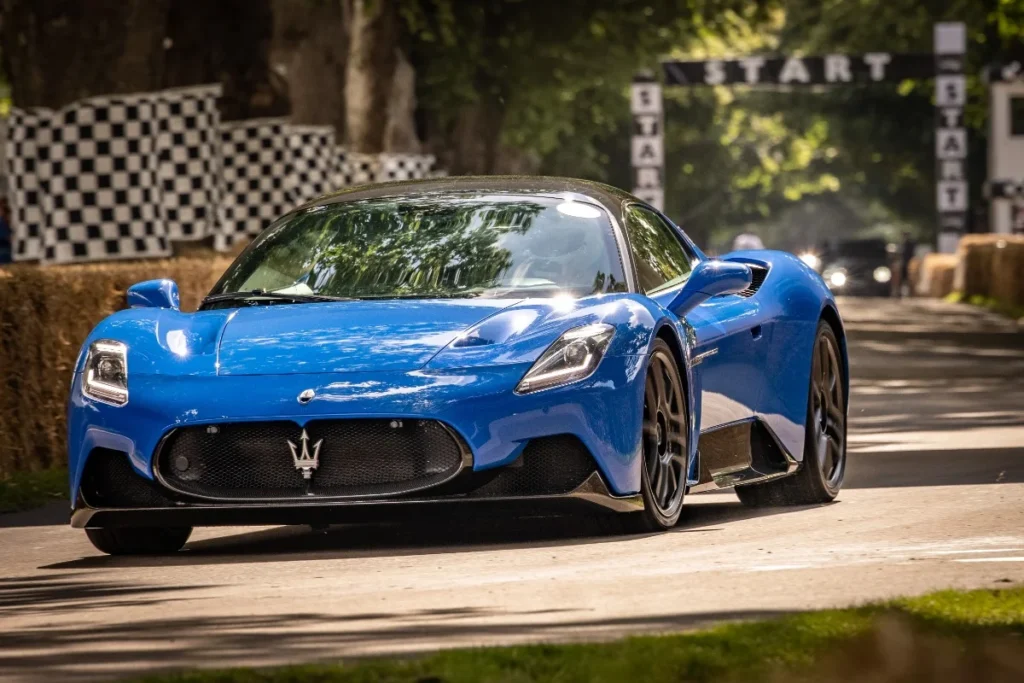
Previous flagships relied on Ferrari-sourced powerplants, tethering the brand to Maranello’s shadow.
Here, twin turbos nestle in a ‘hot-V’ configuration between the cylinder banks, minimizing lag and maximizing response.
The result is a specific output of 207HP per liter – rivaling naturally aspirated exotics – while meeting strict emissions standards.
Dry-sump lubrication ensures oil flow during high-G cornering, and the engine’s 11.2:1 compression ratio speaks to its efficiency.
Paired with an 8-speed dual-clutch transmission and a carbon-fiber monocoque (co-developed with Dallara), the MC20 weighs just 3,300 pounds.
Why the design is proving so special
The MC20, penned by Maserati’s Centro Stile under Klaus Busse, comes with a silhouette that’s like a a work of art with its low-slung nose, cab-rearward stance, and flowing curves that evoke the Birdcage racers of the 1950s.
No aggressive wings or vents for show – the aero is integrated, generating 220 pounds of downforce without drag penalties – but it does come with butterfly doors, which are never out of place.
Wind tunnel-tested for over 2,000 hours, every scoop and diffuser serves purpose: cooling brakes, managing airflow, enhancing stability at 200+ mph.
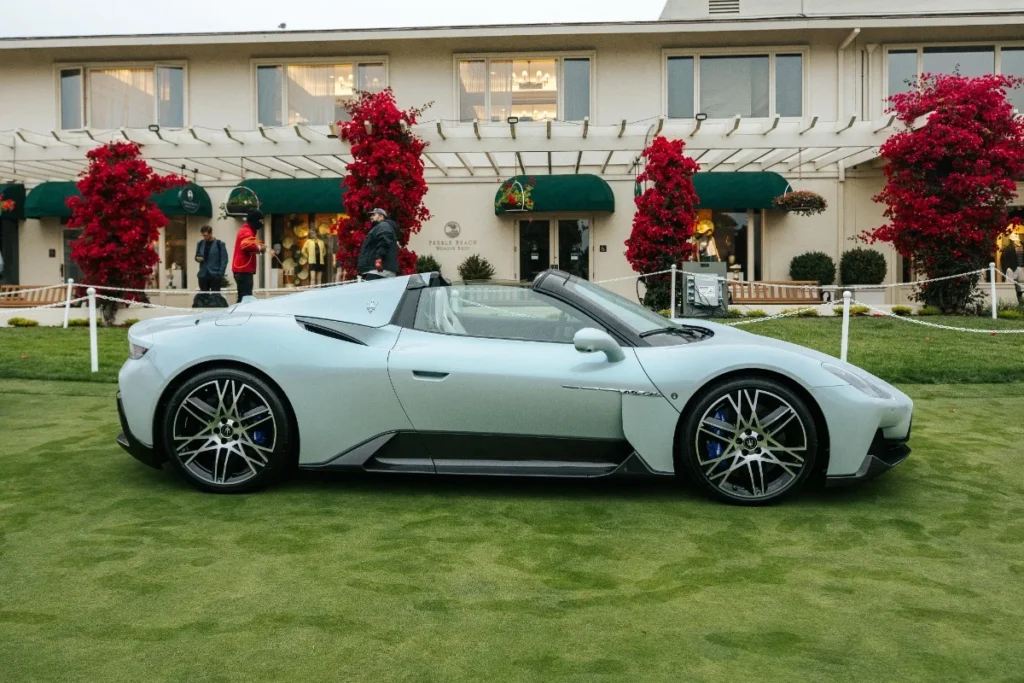
Performance and driving experience – the Maserati MC20 is a also a track beast
Numbers tell part of the story: 0-60MPH in 2.9 seconds, a top speed exceeding 202 mph, and a quarter-mile in under 11 seconds.
But the Maserati MC20 is also designed to be more than that.
The Nettuno engine revs to 8,000RPM with linear urgency, turbos spooling without hesitation.
Power delivery is progressive, inviting you to explore limits rather than overwhelming.
Handling is where Maserati shines.
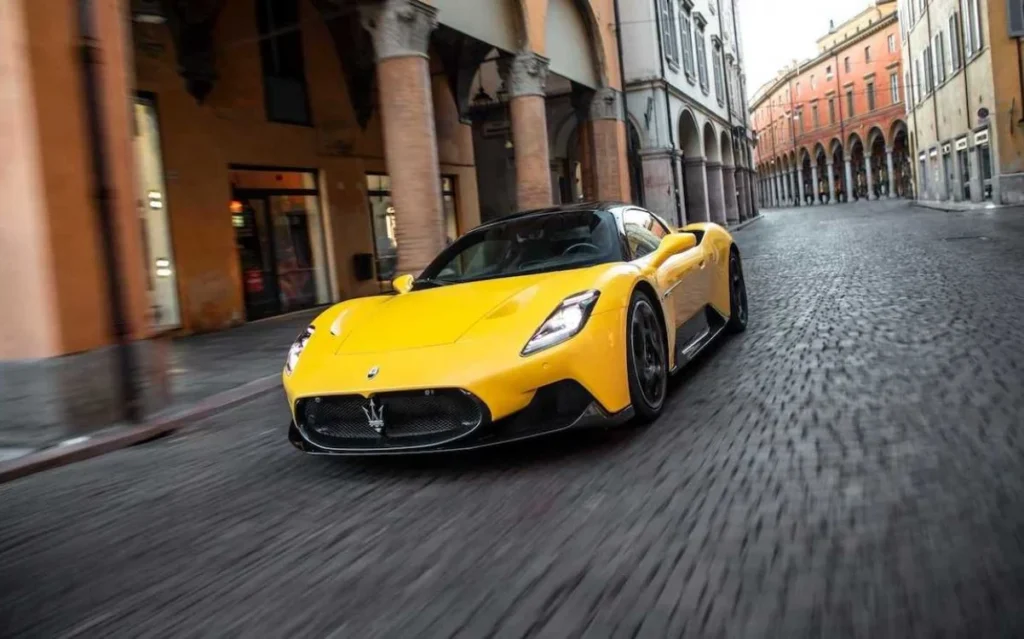
The carbon monocoque provides torsional rigidity rivaling purebred racers, while the double-wishbone suspension (with adaptive dampers) balances compliance and control.
In GT mode, it’s a grand tourer gliding over imperfections; switch to Corsa, and it transforms, becoming sharp and communicative.
The rear-wheel-drive layout, with an electronic limited-slip differential, allows playful oversteer without treachery.
It’s not a track weapon like the McLaren 720S, nor does it match Lamborghini Huracán’s drama.
Yet the Maserati MC20 carves its own niche spot: more approachable than a Porsche 911 GT3, and perhaps more soulful than an Audi R8.
Beyond the coupe – MC20 Cielo and the future of Maserati performance
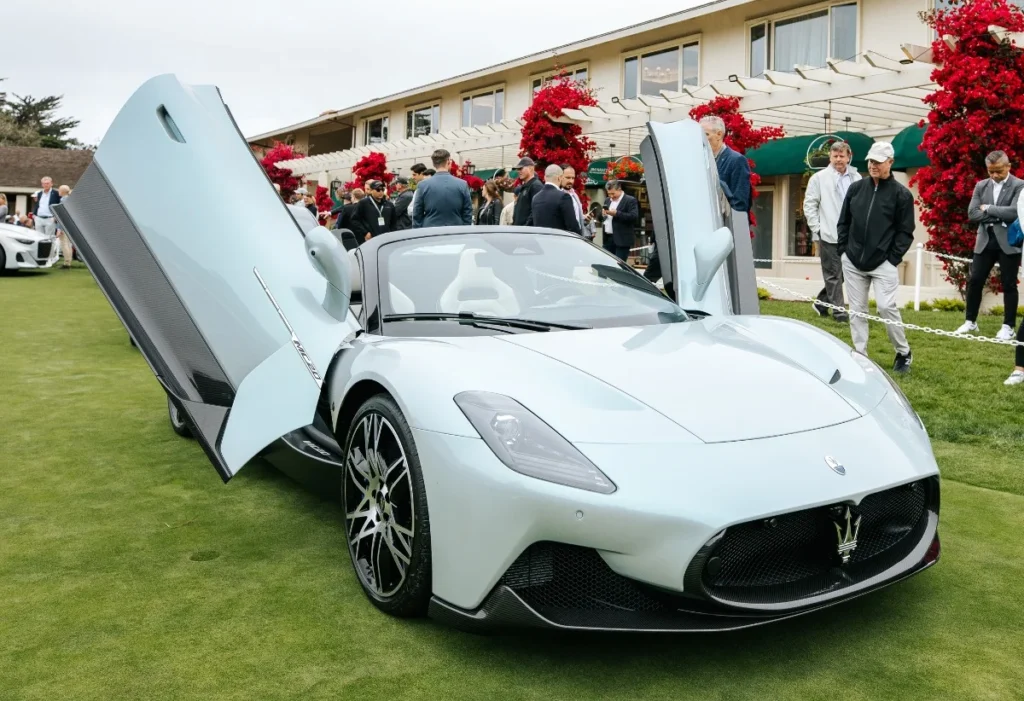
The MC20’s story didn’t end with the coupe.
In 2022, the Cielo convertible arrived, adding open-air fun without compromising structure.
Its retractable glass roof (smart-tinting optional) folds in 12 seconds, and weight increases minimally thanks to reinforced sills.
Performance dips fractionally—0-60 in 3.0 seconds—but the wind-in-hair thrill amplifies emotion.
The Italian automaker has also considered full electrification with the Folgore, an all-electric MC20, but that’s sort of on hold right now.
But you never know, it might come back in the future.
Head to SBX Cars to keep up with the latest from Maserati